%2Ffit-in%2F250x250%2Fguide_websites%2F8242%2Fimages%2F1715265742641temp_logos_sheet__3_-removebg-preview.png&w=1920&q=100)
/users/a4d36eca-da8c-41d9-97de-64db2ea986e4/ratecard/2e95254c84452105974363ca53a1569d.jpeg)
%2F300x300%2Fusers%2Fa4d36eca-da8c-41d9-97de-64db2ea986e4%2Fratecard%2F2e95254c84452105974363ca53a1569d.jpeg&w=256&q=75)
%2F300x300%2Fusers%2Fa4d36eca-da8c-41d9-97de-64db2ea986e4%2Fimages%2Fgreat-fishing-adventure-fl-2634.jpg&w=256&q=75)
%2F300x300%2Fusers%2Fa4d36eca-da8c-41d9-97de-64db2ea986e4%2Fimages%2Fbluefish-caught-florida-2428.jpg&w=256&q=75)
%2F300x300%2Fusers%2Fa4d36eca-da8c-41d9-97de-64db2ea986e4%2Fimages%2Fpanama-city-anglers-fishing-2683.jpg&w=256&q=75)
%2F300x300%2Fusers%2Fa4d36eca-da8c-41d9-97de-64db2ea986e4%2Fimages%2Ffishing-group-panama-city-2417.jpg&w=256&q=75)
%2F300x300%2Fusers%2Fa4d36eca-da8c-41d9-97de-64db2ea986e4%2Fimages%2Fanglers-reel-great-fish-florida-2579.jpg&w=256&q=75)
%2F300x300%2Fusers%2Fa4d36eca-da8c-41d9-97de-64db2ea986e4%2Fimages%2Fredfish-catch-florida-2544.jpg&w=256&q=75)
%2F300x300%2Fusers%2Fa4d36eca-da8c-41d9-97de-64db2ea986e4%2Fimages%2Fsuccessful-fishing-trip-panama-city-2520.jpg&w=256&q=75)
%2F300x300%2Fusers%2Fa4d36eca-da8c-41d9-97de-64db2ea986e4%2Fimages%2Fbig-catch-panama-city-2742.jpg&w=256&q=75)
%2F300x300%2Fusers%2Fa4d36eca-da8c-41d9-97de-64db2ea986e4%2Fimages%2Fexcellent-grey-snapper-haul-florida-2553.jpg&w=256&q=75)
%2F300x300%2Fusers%2Fa4d36eca-da8c-41d9-97de-64db2ea986e4%2Fimages%2Fredfish-spotted-weakfish-panama-city-2538.jpg&w=256&q=75)
Top-Rated 6-Hour Inshore Charter in Panama City
 Panama City, FL
What you will be catching:
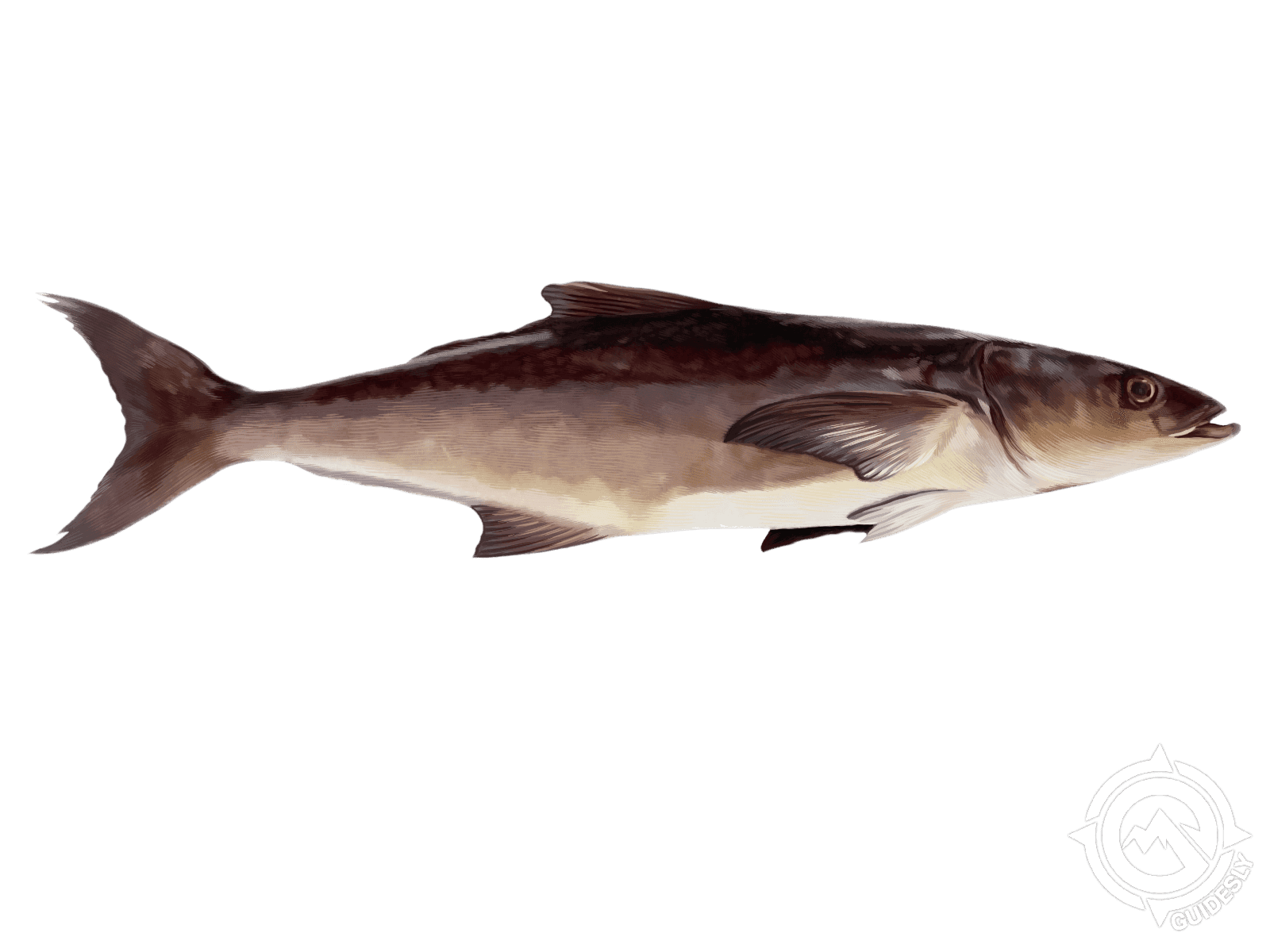
 Cobia
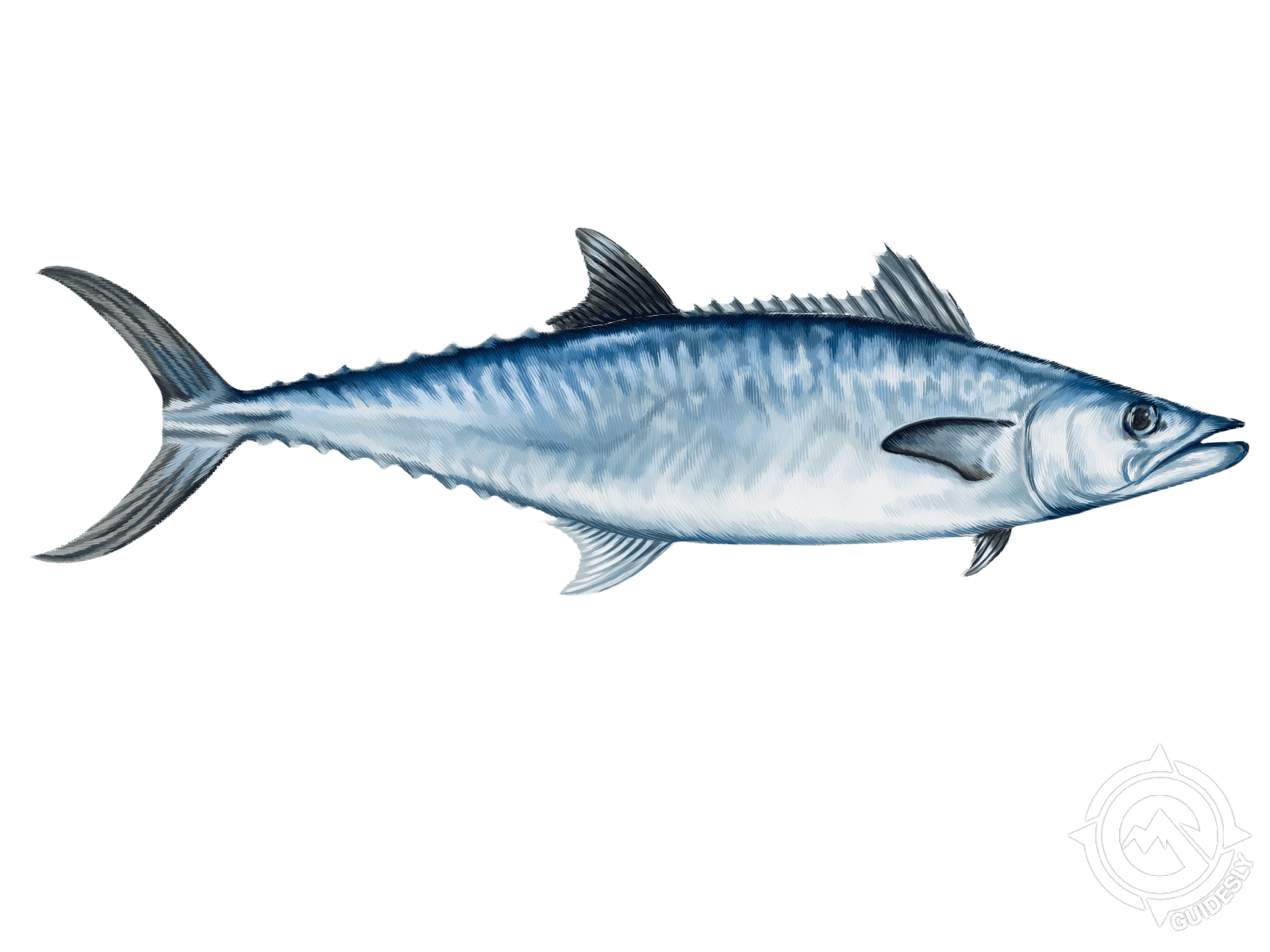
Cobia King Mackerel
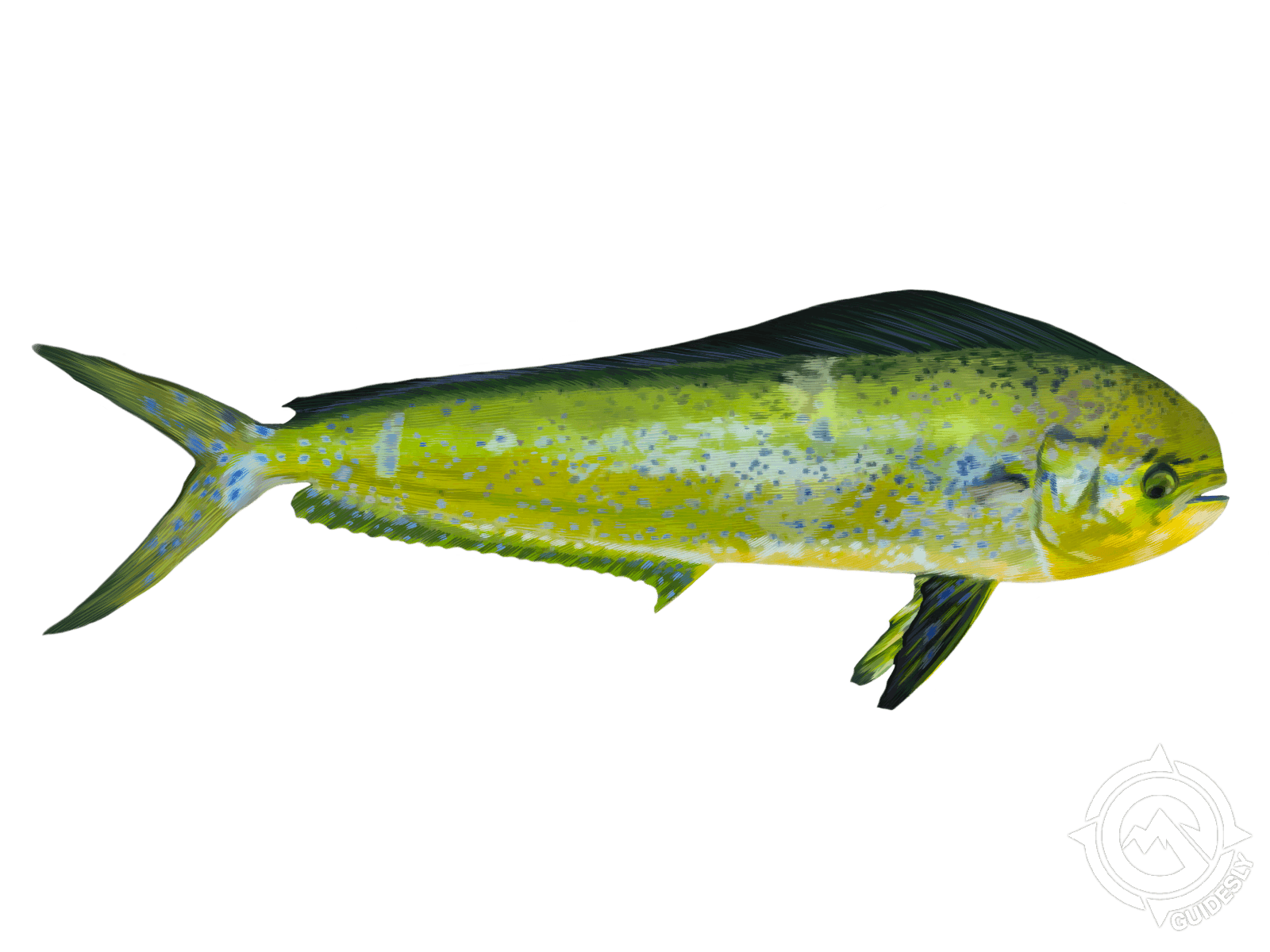
 Mahi Mahi or Common Dolphinfish
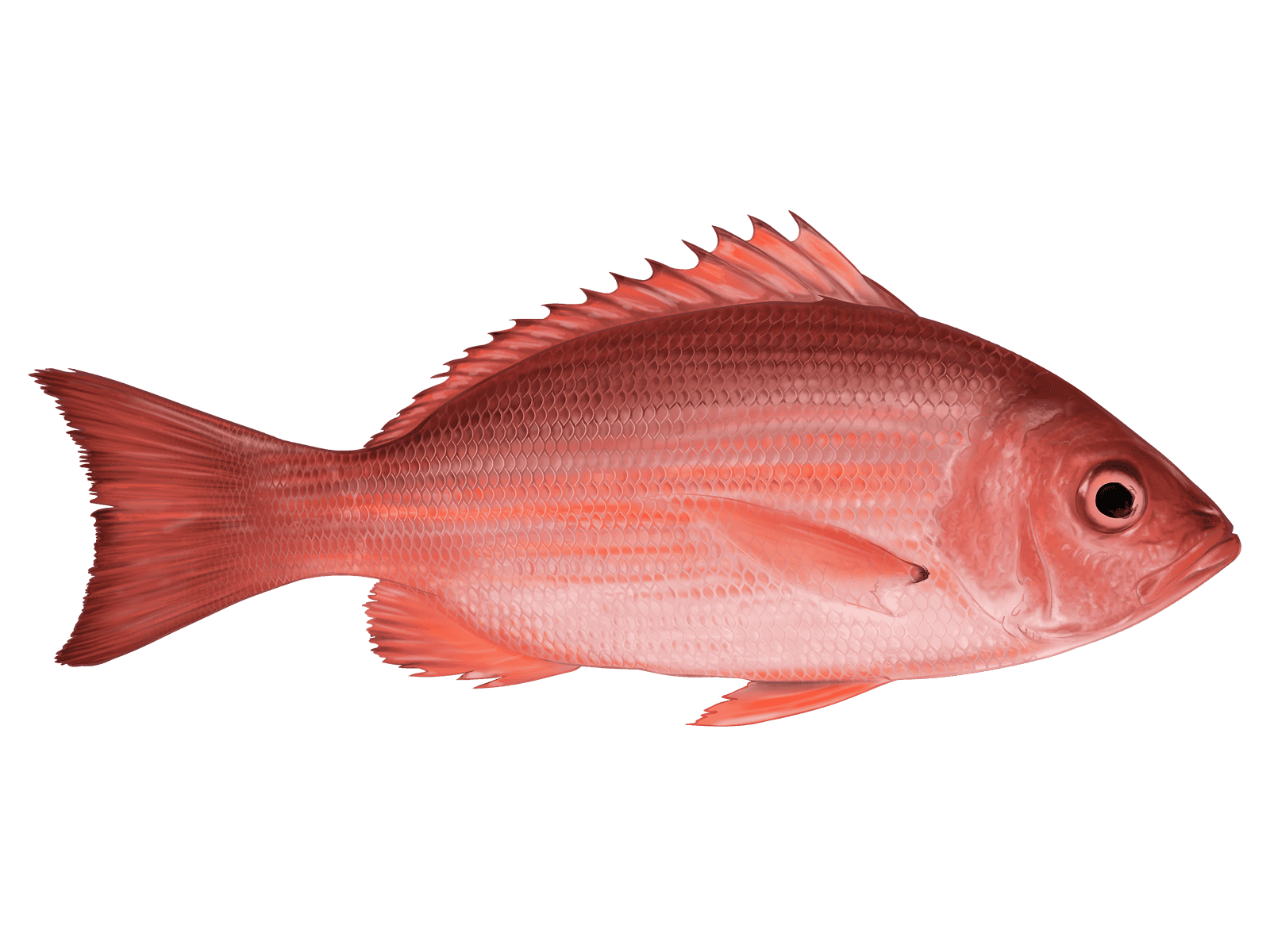
 Red Snapper
 Sea Trout
- 6-hour charter targeting multiple Gulf species near Panama City
- All fishing gear provided with flexible departure times
- Accommodates up to 4 guests for small group fishing experiences
Trip Pricing and Availabilities:
Extended Half-Day Fishing: Panama City's Top Catches
Ready to reel in some of the Gulf's finest? Captain Jason Shingler's got you covered with this 6-hour inshore fishing trip that'll have you hooking into monsters just minutes from the dock. We're talking Mackerel, Snapper, Mahi, and more – all the good stuff Panama City's waters are famous for. Whether you're a seasoned angler or just getting your feet wet, this extended half-day trip gives you plenty of time to get your fish on without burning a whole day. So grab your hat and let's hit the water!
What to Expect on the Water
This ain't your average fishing trip, folks. We're launching out of Panama City and within 15 minutes, you'll be in prime fishing territory. Captain Jason knows these waters like the back of his hand, so you're in for some serious action. We provide all the gear, so no need to lug your tackle box – just bring your A-game and some sunscreen. Depending on what's biting, we might be trolling for Kings, bottom fishing for Snapper, or sight casting to Cobia. The beauty of this 6-hour trip is we've got time to mix it up and chase whatever's hot. And with a max of 4 guests, you'll get plenty of personalized attention to up your fishing game.
Techniques That'll Have You Hooked
Alright, let's talk shop. On this trip, we're not messing around with just one technique. We'll be switching it up to maximize our chances of a cooler full of fish. Might start off trolling with live bait for those hard-fighting Kings and Mahi. When we mark some structure on the bottom, we'll drop down some cut bait or jigs for Snapper and Grouper. If we spot some Cobia cruising by, it's time for some quick-draw sight casting. Captain Jason's always got a few tricks up his sleeve, so be ready to learn some local secrets that'll up your fishing game long after the trip's over.
Species You'll Want to Hook
King Mackerel: These speedsters are the drag-screamers of the Gulf. They'll hit hard and run fast, sometimes clearing the water in spectacular jumps. Kings in the 20-30 pound range are common, but 40+ pounders aren't unheard of. Spring and fall are peak seasons, but we catch 'em year-round. Nothing beats the rush of a King taking off with your bait!
Sea Trout: Don't let the name fool you – these aren't your grandpa's creek trout. Speckled Sea Trout are inshore predators that put up a great fight on light tackle. They love to hang around grassy flats and oyster bars. We catch 'em year-round, but the big gator trout (over 20 inches) are most active in cooler months. Their soft mouths make for an exciting, finesse-focused fight.
Mahi Mahi: Also known as Dorado or Dolphinfish, these are the acrobats of the offshore world. They're famous for their brilliant blue, green, and yellow colors – a true trophy fish. We find them around floating debris or weed lines, usually in the warmer months. They're fast growers and great fighters, often putting on aerial displays when hooked. Plus, they're absolutely delicious – possibly the best-eating fish in the Gulf.
Cobia: These brown bombers are like the prize fighters of the sea. They're curious fish, often swimming right up to the boat to check things out. That's when we hit 'em with a well-placed cast. Cobia season kicks off in spring as they migrate along the coast, but we can find resident fish throughout the summer. They grow big – 30-50 pounders are common – and they've got the power to match. When a Cobia decides to dive, you better hang on!
Red Snapper: The Gulf's most famous bottom-dweller, Red Snapper are the bread and butter of Panama City fishing. They hang around reefs and wrecks, and boy do they pull hard when you're trying to winch 'em up from the depths. The season's tightly regulated, but when it's open, it's game on. These ruby-red beauties can top 20 pounds, and they're some of the best eating fish you'll ever taste. Nothing beats fresh snapper on the grill after a day on the water.
Time to Book Your Spot
Look, if you're itching for a real taste of Panama City fishing without burning a whole vacation day, this is your ticket. Six hours is the sweet spot – enough time to really get into the action, try different spots, and land a mess of fish. Captain Jason's got the know-how, we've got the hotspots, and the fish are waiting. All you need to do is show up ready for some rod-bending action. Whether you're looking to fill the cooler or just want some quality time on the water, this trip's got you covered. So what are you waiting for? Grab your crew (up to 4 total) and let's make some fishing memories. The Gulf's calling – time to answer!
Learn more about the species
Cobia
Cobia, also called ling or lemonfish, are bruisers that'll test your tackle. These brown fish with a shark-like profile average 30-50 pounds but can top 100. You'll find them around buoys, wrecks, and other structure in 30-70 feet of water. Spring is prime time as they migrate along the coast. Cobia are sight-fished creatures - scan the surface for their distinctive silhouette. They're prized for their strong fights and excellent eating quality. To catch one, have a heavy jig or live eel ready to pitch when you spot them. A local trick is to chum with cut bait to bring them to the surface. Once hooked, be ready for a long, dogged fight. Cobia often make several runs before coming to the boat. They're not called "crab crunchers" for nothing - watch those powerful jaws when you land one!
King Mackerel
King Mackerel, or Kingfish, are a prized catch in Panama City. These speedsters average 15-30 pounds but can top 90. Look for them in depths of 40-150 feet, often near structures or drop-offs. They're most active in warmer months, from spring through fall. Kingfish are known for their blistering runs and aerial acrobatics when hooked - be ready for a fight! Their firm, flavorful meat makes great steaks or smoked fish dip. To land one, try slow-trolling live bait like blue runners or mullet. Keep your bait near the surface and be patient. When a King strikes, it'll often run parallel to the boat before diving. Let it run, then start working it back. Watch those teeth when you bring it aboard! Remember, the biggest Kings are usually loners, so don't leave fish to find fish.
Mahi Mahi or Common Dolphinfish
Mahi Mahi are one of the most exciting fish to catch off Panama City. These colorful speedsters average 15-30 pounds but can hit 50+. Look for them around floating debris or weed lines, usually in waters over 100 feet deep. Summer and early fall are prime seasons. Mahi are known for their acrobatic jumps and hard fights - hang on tight! They're also fantastic eating, with firm white meat that's great grilled or blackened. To find them, keep an eye out for frigate birds diving - that often means Mahi are feeding below. Try trolling with ballyhoo or small lures that skip on the surface. Once you hook one, leave your bait in the water - Mahi often travel in schools, and you might catch several from the same spot. Work quickly though, they don't stay in one place long!
Red Snapper
Red Snapper are the crown jewels of bottom fishing here in Panama City. These beautiful red fish usually run 5-15 pounds, but monsters over 30 are possible. You'll find them around reefs and wrecks in 60-300 feet of water. Summer is prime season when the federal waters open. Snappers are known for their hard initial run to the bottom - be ready to stop them or risk losing your catch to structure. Their firm, white flesh makes them a top eating fish. To land a big one, use heavy tackle and drop large live baits like pinfish or cigar minnows to the bottom. A local trick is to use a fish finder to locate schools, then drop right on their heads. Once you hook up, reel steady and keep the fish coming - give them an inch, and they'll take a mile back to their rocky homes!
Sea Trout
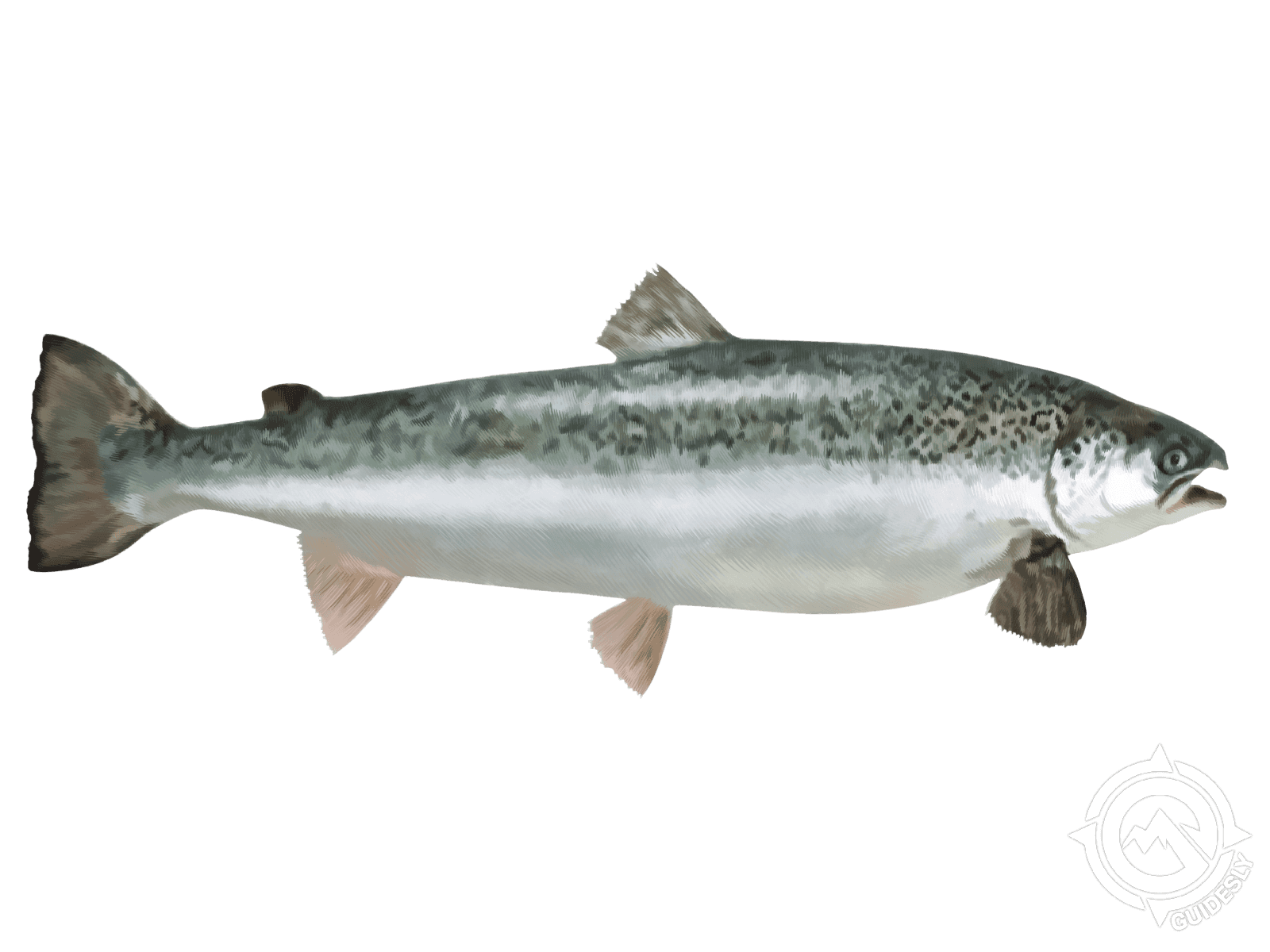
Sea Trout, also called Speckled Trout, are a favorite inshore target here in Panama City. These silvery fish with dark spots usually run 14-24 inches and 1-5 pounds, though bigger ones show up. You'll find them in grass flats and shallow waters, especially at night. They love to hang around structure and drop-offs. Spring and fall are prime seasons when water temps are in the 60s-70s. Trout put up a good fight and make excellent table fare with their mild, flaky white meat. To catch 'em, try working soft plastic lures or live shrimp around grassy areas. A local trick is to fish the tide changes - trout often feed aggressively as water starts moving. Listen for them popping bait on the surface, and cast into that commotion. Remember, they have soft mouths, so set the hook gently and keep steady pressure.
About the Carolina Skiff
%2F%2Fusers%2Fa4d36eca-da8c-41d9-97de-64db2ea986e4%2Fvehicle_picture%2F17951866_1938625319699966_2398383078922884496_n.jpg&w=1920&q=75)
Vehicle Guest Capacity: 4
Manufacturer Name: Honda
Maximum Cruising Speed: 35
Number of Engines: 1
Horsepower per Engine: 150